
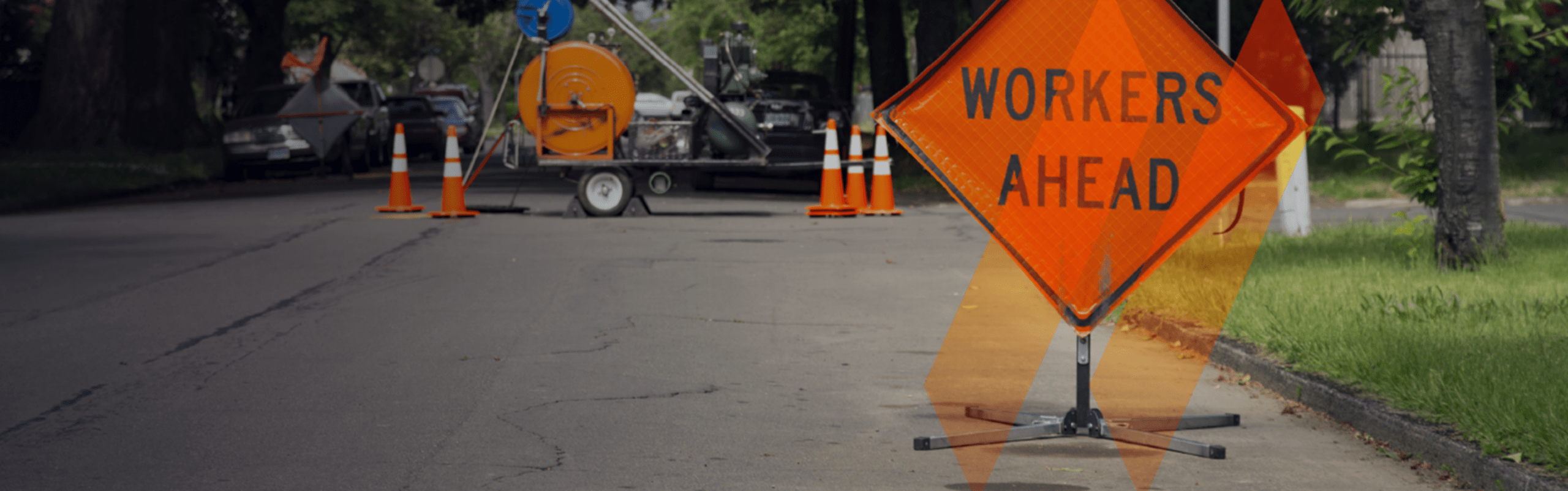
National Work Zone Awareness Week 2026, observed April 20 through 24, is an opportunity to reinforce a message that matters across the industry and beyond: safe actions save lives. This year’s theme serves as an important reminder that work zone safety depends on the choices made every day by workers, drivers, and the public.
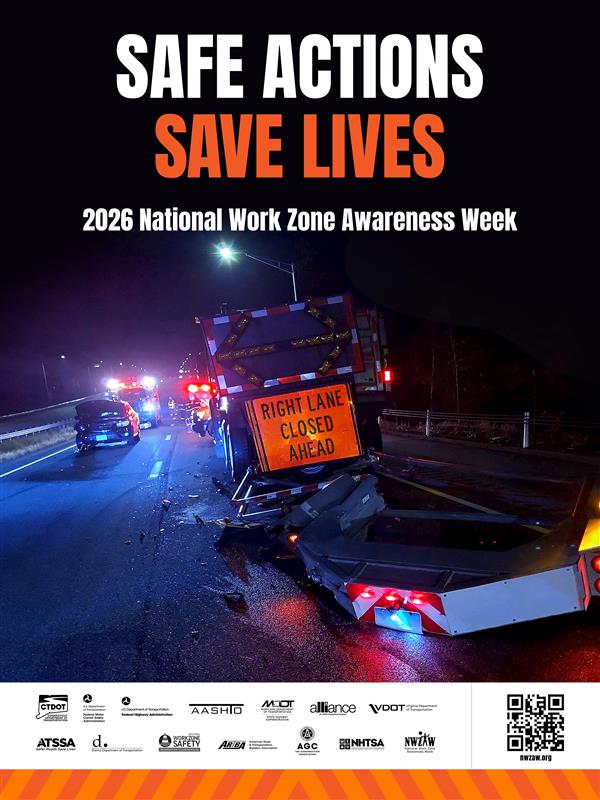
At SAM, safety is a core value and an essential part of every project. Many professionals across the infrastructure, transportation, and geomatics industries perform work in environments where conditions can change quickly. Whether working along roadways, near active equipment, or in areas with public interaction, teams must remain aware of their surroundings and follow established safety procedures at all times.
Work zones present unique risks. Passing traffic, limited visibility, changing site conditions, and the presence of heavy machinery all increase the need for careful planning and constant attention. A safe work zone starts before the task begins. Taking time to assess the area, identify hazards, and confirm that the right controls are in place can help prevent incidents and protect everyone on site.
For crews working near roadways, traffic control is one of the most important elements of work zone safety. Signs, cones, barriers, and other traffic control devices must be properly placed and maintained to help guide drivers and create a safer environment for workers. High visibility apparel, clear communication, and positioning that allows for a safe exit path are also important practices that can reduce risk in the field.
National data continues to show why work zone awareness matters. Each year, work zone crashes across the United States result in thousands of injuries and hundreds of fatalities. These incidents affect workers, drivers, passengers, and pedestrians, underscoring the importance of vigilance in and around active work zones.
National Work Zone Awareness Week is also a reminder that safety is not limited to those working on the job site. Drivers play a critical role in protecting roadside workers by slowing down, staying focused, avoiding distractions, and following posted traffic changes through construction and maintenance areas. Respecting work zones helps protect the people doing essential work to improve roads, utilities, and infrastructure.